Those thoughts aren't you.
nuanse is a Canadian nonprofit that helps people understand obsessive-compulsive disorder (OCD). We work with registered psychologists, psychotherapists, and psychiatrists to create clear, trustworthy information, free in French and English.
OCD isn't about being tidy.
It's a loop. A thought shows up that feels urgent, dangerous, or wrong. Anxiety spikes. A ritual brings relief for a moment, and teaches the brain to demand it again next time.
The good news: the loop can be broken. Treatment works by learning to leave it open, one pause at a time.
Find what's written for you
Kids, teens, adults, older adults, and the people who support them. Same facts, explained the right way for each.
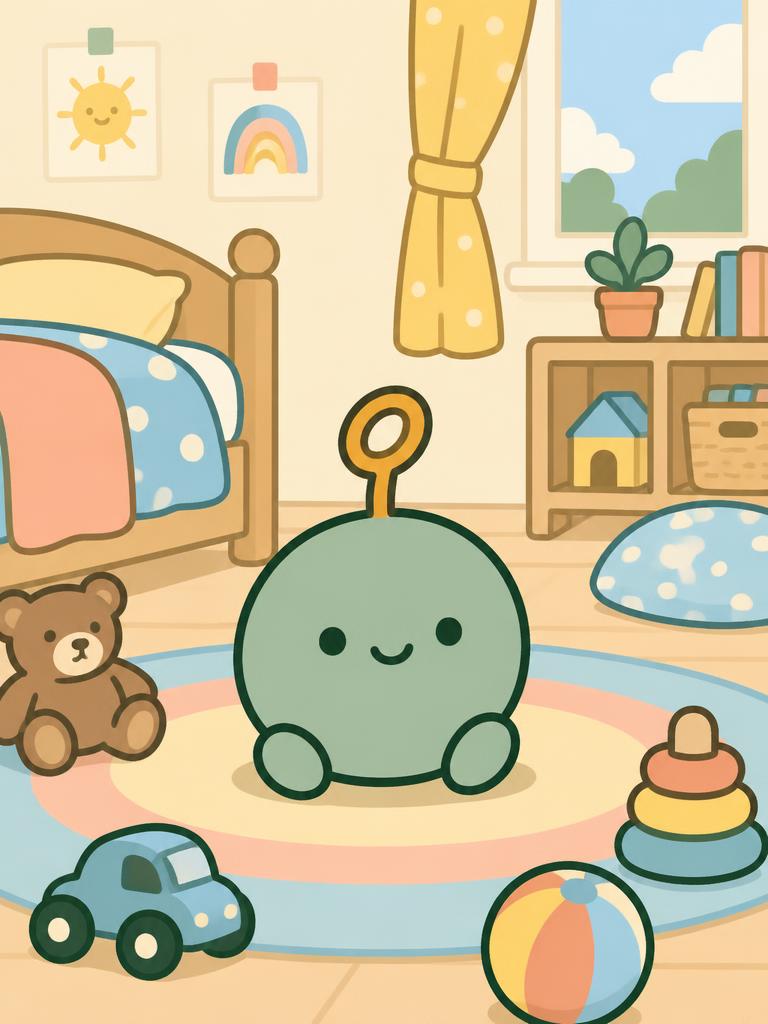
Kids, with a grown-up
Illustrated stories with Whatif, a worry that talks too loud.13–17
Teens
Short videos about the thoughts you're scared to say out loud.18–64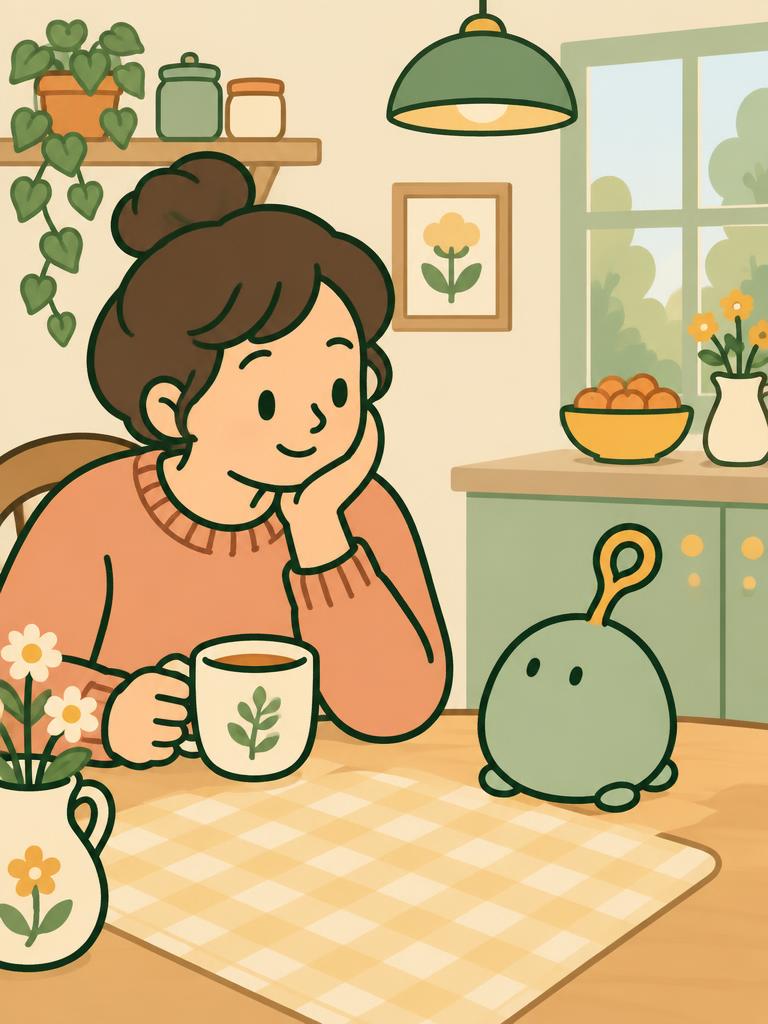
Adults
Every theme, how treatment works, and how to ask for it.65+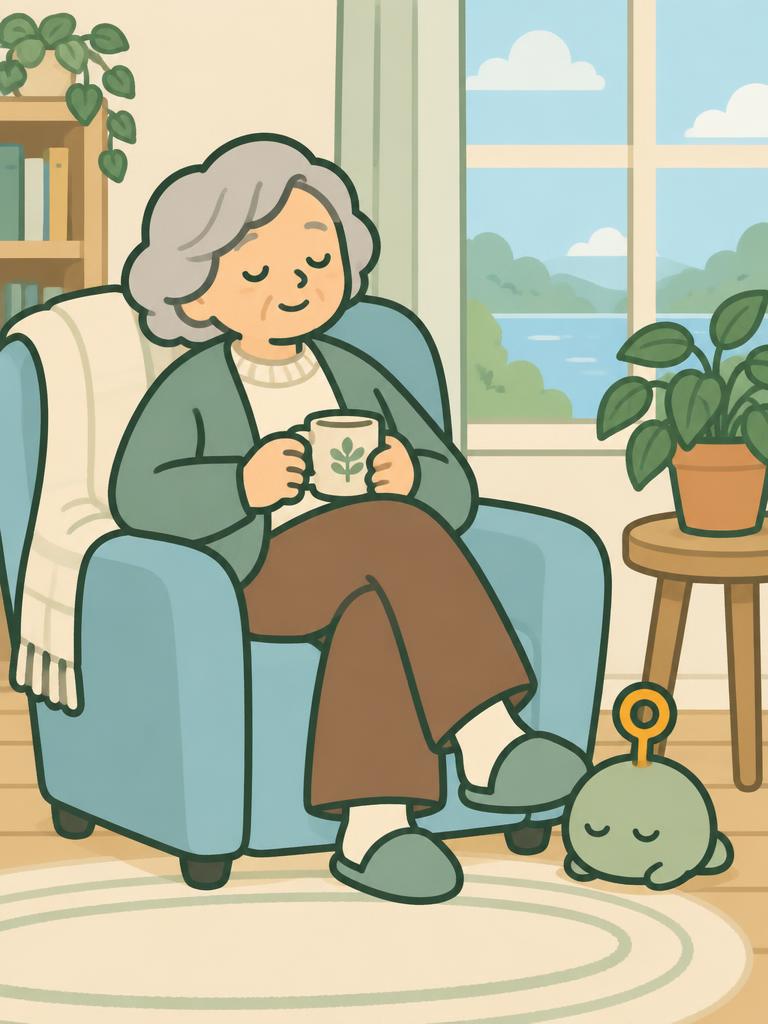
Older adults
Larger type, audio for everything, and a name for what you've lived with.Family
Families and supporters
How to help without feeding the loop.Questions people ask first
Is it OCD, or am I just a worrier?
Everyone has unwanted thoughts. With OCD, the thoughts get stuck, cause real distress, and come with rituals (visible or mental) that take up a lot of time or get in the way of life. Only a professional can diagnose it, but understanding the difference is a good first step.
Does having a disturbing thought mean I want it?
No. Intrusive thoughts are common, and people with OCD are distressed by theirs precisely because the thoughts go against what they value. A thought is not an intention.
Can OCD be treated?
Yes. A type of cognitive behavioural therapy called exposure and response prevention (ERP) is the most effective treatment, and medication can also help. Many people improve a great deal.
What is ERP?
ERP stands for exposure and response prevention. It means gradually facing the thoughts, doubts, or situations that trigger anxiety while choosing not to do the ritual that usually brings relief. Over time, the brain learns it does not need the ritual to be safe.
Are mental rituals still OCD?
Yes. Rituals are not always visible. They can be mental counting, praying, reviewing memories, or checking your own feelings. What matters is the pattern: they are done to cancel out anxiety, and they keep the loop going.
How can I help someone I love?
Support them without taking part in the rituals. Reassurance feels kind, but it often feeds the loop. Learn about OCD with them, encourage professional help, and let them set the pace.
Help the right information get there first.
Most people with OCD wait years before finding the right help. Your donation puts clear, clinician-reviewed answers in front of the parent, teen, or grandparent who's searching tonight.
Donate to nuanse